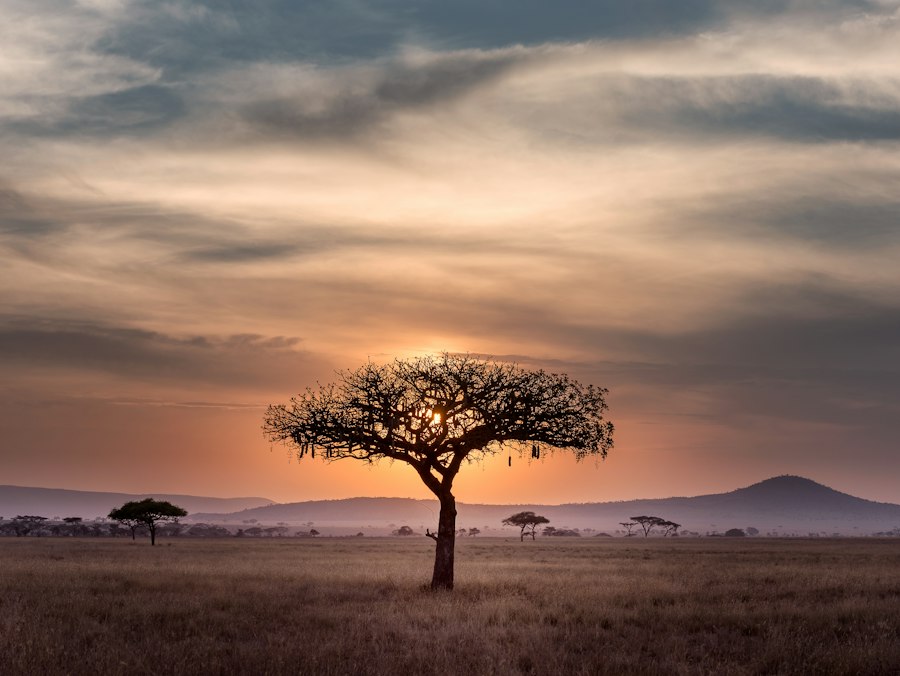

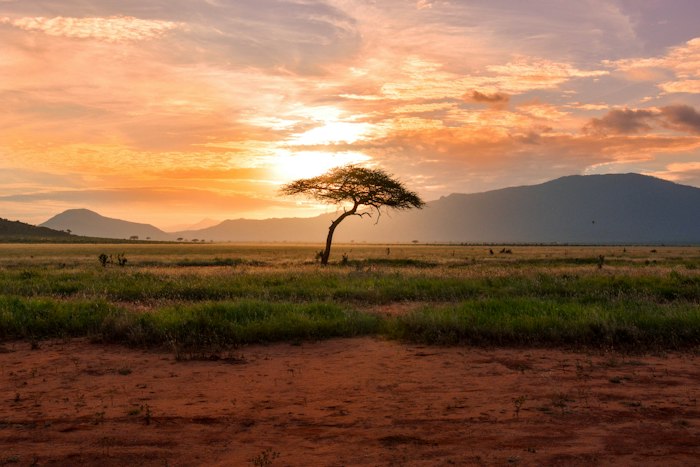
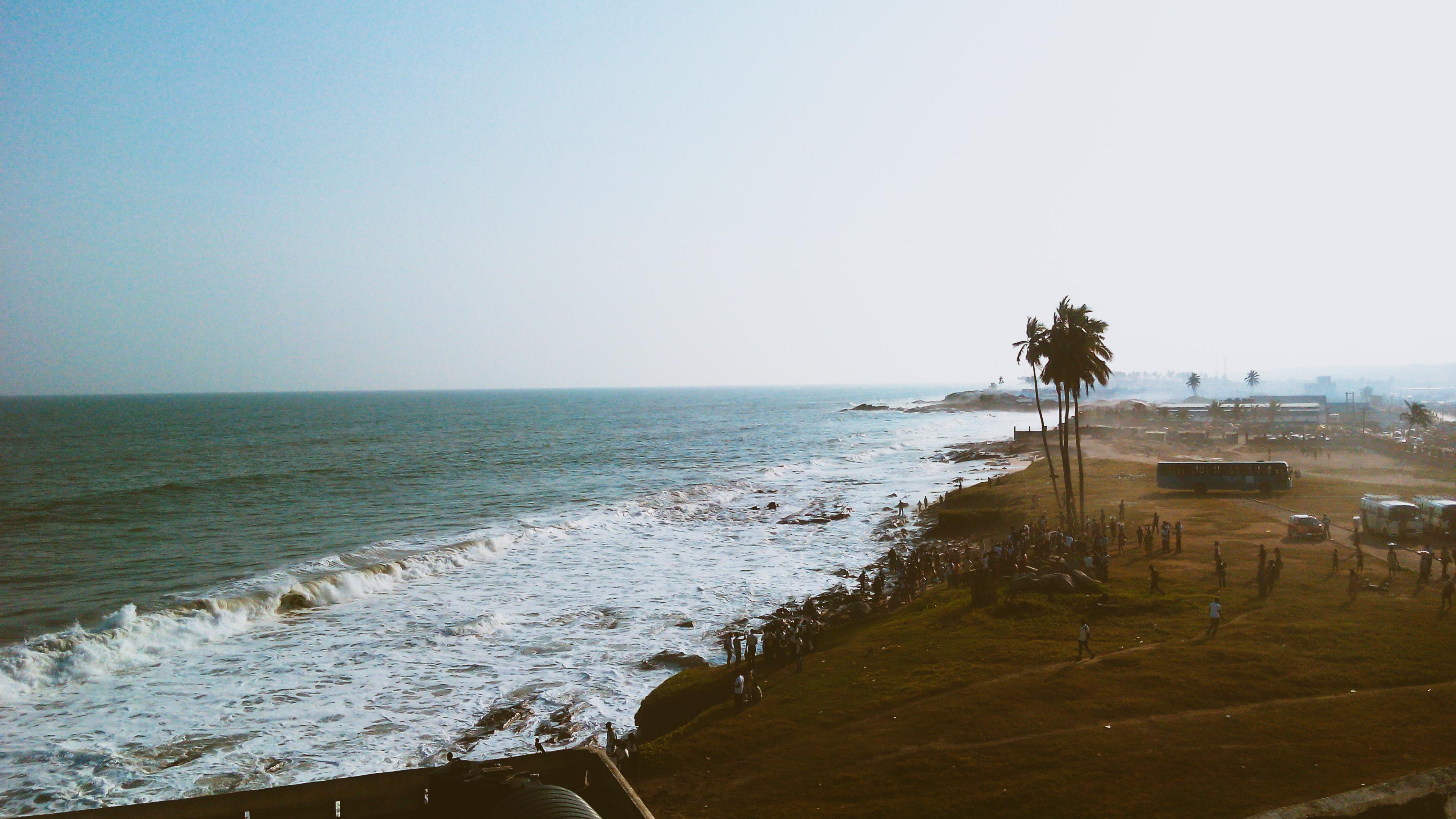
There is a particular kind of silence that falls over you when you first step into the Cape Coast Castle dungeon. The air is thick. The walls are close. Light filters through a single small window, and somewhere beyond those walls, the Atlantic Ocean has been crashing against the same shore for centuries. You don't need a guide to tell you what happened here. You already know. You can feel it.
For diaspora travelers — for Black Americans, Afro-Caribbeans, and members of the African diaspora around the world — Ghana is not simply a travel destination. It is a reckoning, a reunion, and for many, a rebirth. And it has been waiting for you.
This guide is for the traveler who wants to experience Ghana with intention — to go beyond the tourist checklist and into the heart of one of West Africa's most culturally rich, historically significant, and genuinely welcoming nations.
Why Ghana for Heritage Travel?
Ghana has long been a touchstone for the African diaspora. The Ghanaian government's historic "Year of Return" initiative in 2019 — marking 400 years since the first enslaved Africans arrived in America — drew hundreds of thousands of diaspora visitors and sparked a travel movement that has not slowed down since.
As home to some of the most well-preserved slave trade sites in the world, a vibrant contemporary culture, and a people whose warmth toward returning diaspora members is genuine and profound, Ghana offers something that no other destination quite replicates: the feeling of being known.
The Heritage Sites You Must Visit
Cape Coast Castle
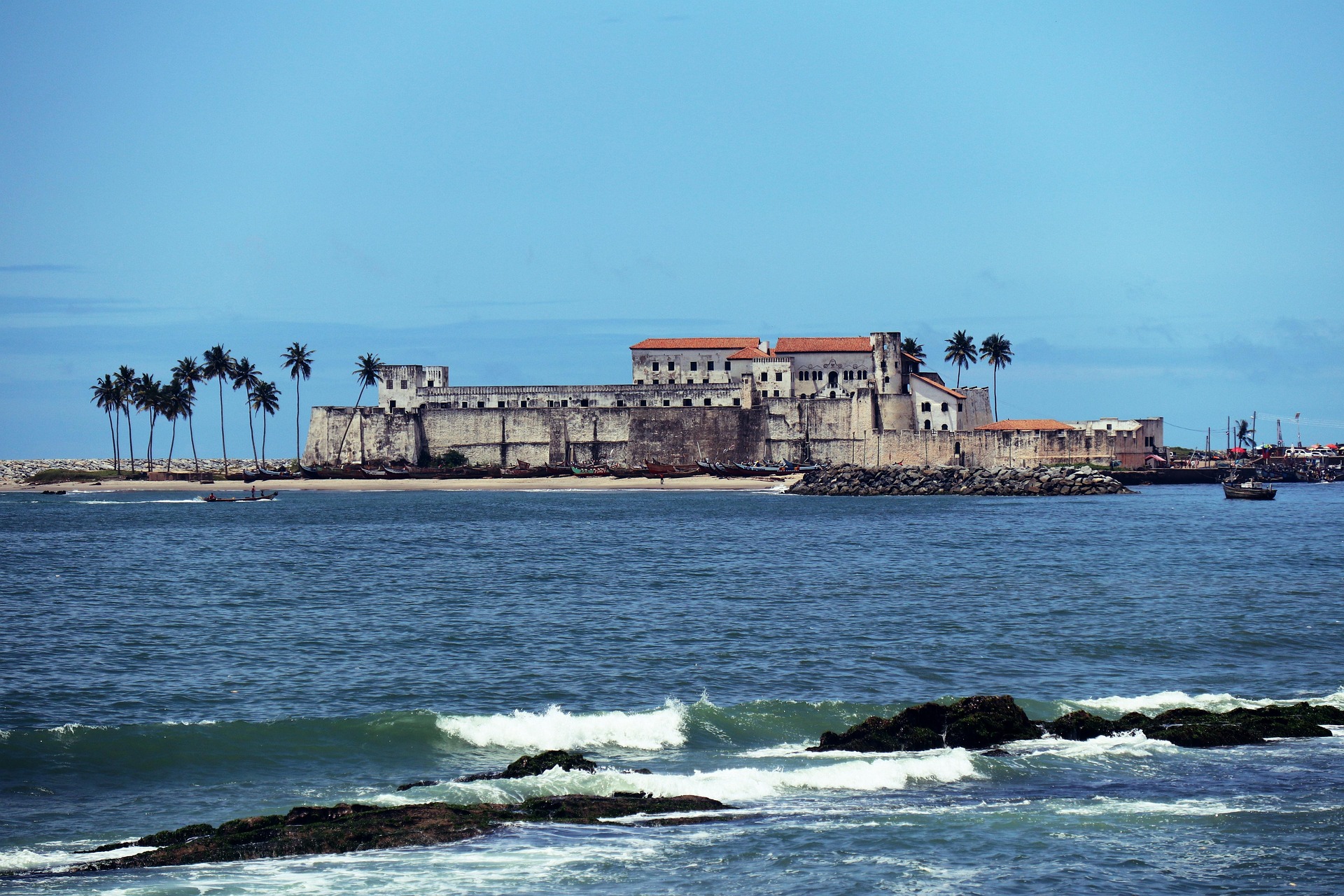
Built by the Swedish in the 17th century and later controlled by the British, Cape Coast Castle served as a major hub of the transatlantic slave trade. Today it is a UNESCO World Heritage Site and one of the most emotionally significant places a diaspora traveler can visit. The dungeons, the governor's chapel built directly above where enslaved people were held, and the Door of No Return — through which captives passed onto ships — are stops that will recalibrate something deep within you.
Allow a full half-day here, and if possible, arrange for a private guide who can provide context and space for the weight of what you're experiencing.
Elmina Castle
Older than Cape Coast, Elmina (built by the Portuguese in 1482) is the oldest European-built structure in sub-Saharan Africa. The nearby fishing village and market offer a powerful contrast — life, color, commerce, and joy thriving in the shadow of history. This juxtaposition is uniquely Ghanaian, and uniquely healing.
Kakum National Park
A short drive from Cape Coast, Kakum offers one of the world's most celebrated canopy walks — a series of suspension bridges stretching through the forest canopy 30 meters above the ground. After the emotional gravity of the castle visits, the lush green of Kakum is a necessary breath.
Accra — The Pulse of Modern Ghana
Ghana's capital is a city of extraordinary contrasts. The traffic is legendary, the food is revelatory, and the energy is unlike anything else in West Africa. Spend time in:
- Osu — boutique shopping, art galleries, restaurants ranging from street food to rooftop fine dining
- Labadi Beach — the social heart of Accra on weekends, with drumming, dancing, and pure celebration
- The National Museum — essential cultural context for everything you'll see across the country
- Makola Market — overwhelming, beautiful, and absolutely worth navigating with a local guide
Kumasi — The Heart of the Ashanti Kingdom
A four-hour drive from Accra (or a short flight), Kumasi is Ghana's second city and the cultural capital of the Ashanti people. Visit the Manhyia Palace Museum and make your way to Bonwire — the village where Kente cloth has been woven by hand for centuries.
Practical Information
Essential Travel Info
Best time to visit: November through March (dry season).
Visa: U.S. citizens require a visa. Apply online through the Ghana Immigration Service e-visa portal well in advance.
Vaccinations: Yellow Fever vaccination is required for entry.
Currency: The Ghanaian Cedi (GHS). USD is widely accepted in hotels and upscale establishments.
Getting around: Hire a private driver for intercity travel — a good travel advisor will arrange this as part of your itinerary.
Ready to Plan Your Ghana Homecoming?
Your heritage journey is one conversation away. Complete your travel inquiry and let's talk about what your Ghana experience could look like. The soil is waiting. ✨
— Christine Clark, Founder | Cultivated Curiosity Travel | FORA-Certified Travel Advisor